
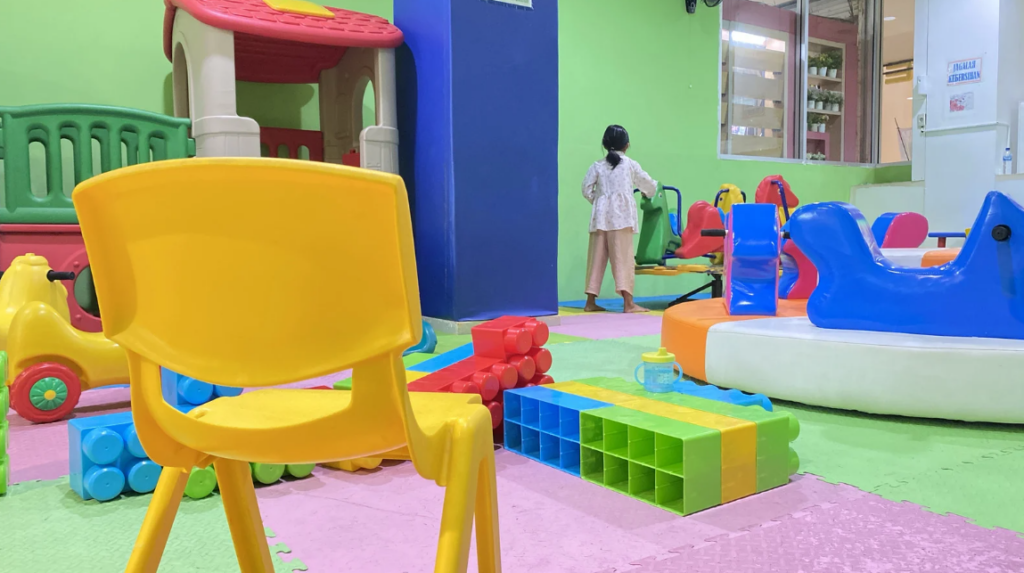
Choosing the right childcare in SeaTac isn’t just about convenience — it’s about finding a place and routine that genuinely supports your child’s growth, happiness, and safety while giving parents peace of mind. Many families move to this area for its access to jobs, schools, and airport proximity, but quickly realize how complicated the childcare landscape can be. Demand can be high, hours inconsistent, and pricing structures confusing.
If you’ve ever toured three different centers and come away more uncertain than before, you’re not alone. The truth is, the ideal childcare setup looks different for every family. This guide will help you understand your options, navigate trade-offs, and make a confident, well‑informed decision for your toddler, preschooler, or school‑age child.
By the end, you’ll know:
- The types of childcare available in SeaTac and what actually differentiates them
- How to evaluate programs for safety, quality, and fit
- The real costs (and hidden costs) you should plan for
- What common mistakes to avoid when making your choice
Understanding the SeaTac Childcare Landscape
SeaTac’s location — between Seattle and Tacoma — creates both advantages and challenges for families. Proximity to major employers means strong demand for early childhood programs, especially those offering flexible hours for airport or healthcare workers.
You’ll find a mix of:
- Licensed childcare centers (structured programs with multiple age groups)
- Family home childcare (smaller, home‑based providers offering a personal touch)
- Preschool programs (curriculum-focused for ages 3–5)
- Before‑ and after‑school care (vital for working parents of school‑age children)
- Drop‑in or flexible care (limited but growing as gig‑economy parents seek flexibility)
In my experience, many families start with family home daycare for infants and toddlers, then transition to a preschool or learning center as social and academic skills begin to develop. The right blend often depends on your child’s temperament, your work schedule, and how much structure your family prefers.
How Licensing and Quality Standards Work
One mistake families often make is assuming all licensed childcare in SeaTac provides the same level of quality. Licensing only sets the floor — safety, ratios, and basic oversight — not the ceiling of care.
Washington State’s Department of Children, Youth, and Families (DCYF) licenses and inspects facilities. Key standards include:
- Staff-to-child ratios by age (e.g., 1:4 for infants)
- Health and safety training
- Background checks and first-aid certification
- Facility cleanliness and emergency plans
But quality goes beyond compliance. Truly excellent programs have:
- Consistent caregiver relationships (low turnover matters more than many realize)
- Developmentally appropriate play and learning
- Open communication between parents and staff
- A visible, lived culture of respect and inclusiveness
When touring, ask: “Can I see your last state inspection report?” Good centers will gladly share it.
What Most People Don’t Realize About Cost
Childcare in SeaTac can feel expensive even for dual‑income families — and for good reason. High licensing costs, training requirements, and Seattle‑area living expenses drive rates upward. But the bigger issue is the mismatch between expectations and reality.
Typical costs as of 2026 (rough estimates):
- Infant care: $1,600–$2,200 per month
- Toddler care: $1,400–$1,900 per month
- Preschool: $1,100–$1,600 per month
- Before/after school: $400–$800 per month
What’s usually overlooked are the hidden costs:
- Late pickup fees if your commute runs long
- Summer programs not included in school‑year tuition
- Registration fees or supply fees
- Missed‑day policies (some centers don’t refund absences)
If your job involves variable shifts, ask about “vacation credit” or flexible billing. Some forward-thinking centers now prorate or allow hourly arrangements — worth exploring if your schedule is unpredictable.
Signs of a High‑Quality Program
A well‑run program doesn’t just follow rules; it’s intentional about relationships — between teachers, children, and families. Here are signs that a provider truly understands early childhood development:
- Engaged caregivers who get down on the child’s level and speak respectfully
- Predictable routines balanced with flexible playtime
- Child‑led exploration (you see materials, not endless worksheets)
- Clean but lived-in spaces — not spotless showrooms but active learning environments
- Clear communication via daily reports, photos, or open‑door policies
When you walk into a room and sense warmth and calm — not chaos or detachment — pay attention to that instinct. Culture is harder to measure on paper but makes the biggest difference long-term.
The Difference Between Childcare and Early Learning

A subtle but important distinction: childcare ensures safety and supervision; early learning nurtures growth in communication, emotional regulation, and problem‑solving.
Many parents assume preschool is only about academics (“Will my child learn letters?”). In reality, play‑based, social‑emotional learning predicts future school success far better than early reading drills.
In outstanding programs, teachers guide play that builds curiosity and cooperation:
- Sorting shapes becomes a math lesson in disguise.
- Group story time fosters attention and empathy.
- Outdoor exploration teaches spatial awareness and respect for nature.
Look for programs with intentional learning goals embedded into play. Current research backs that this approach leads to stronger kindergarten readiness and happier kids.
Choosing the Right Option for Your Family
Here’s how I recommend approaching the decision process:
- Clarify your priorities. Is location the top factor? Extended hours? Curriculum focus? Affordability? Rank them honestly before visiting programs.
- Tour 2–3 facilities and observe interactions — not just facilities. A shiny classroom means little if caregivers seem burned out.
- Ask open-ended questions:
- “What’s a typical day like for my child’s age group?”
- “How do you handle discipline or conflict between kids?”
- “How do you communicate with parents about development?”
- Check parent references. A quick conversation with another family can reveal intangible things — teacher consistency, attitude toward illness, or administrative transparency.
- Trust your gut, but validate it with facts (inspection reports, policies, licensing history).
Common Mistakes to Avoid
- Focusing only on location. Convenience matters, but a slightly longer drive to the right program is often worth it.
- Ignoring staff turnover. A cheerful teacher one month and constant replacements the next can unsettle your child deeply.
- Assuming “structured” means “better.” Highly academic preschools can sometimes pressure toddlers who learn best through play.
- Not budgeting for transitions. Moving from part‑time to full‑time care, or summer gaps between preschool and kindergarten, can strain schedules and finances.
Here’s where things often go wrong: families choose what looks “perfect on paper,” then discover mismatched expectations around communication or discipline philosophy. Clarify those early.
Myths and Misconceptions About Childcare

Let’s unpack a few ideas that often mislead parents:
Myth 1: “Family childcare is less professional.”
Not necessarily. Some of the warmest, most developmentally rich settings I’ve seen are in licensed home daycares. Smaller group sizes mean consistency and intimate care — perfect for infants and toddlers.
Myth 2: “Academics should start early.”
In early childhood, social and emotional development is academic progress. Most kindergarten teachers prefer children who can follow directions, handle frustration, and cooperate — not just recite the alphabet.
Myth 3: “All centers are basically the same.”
Even within SeaTac, differences can be vast — from Montessori-inspired programs emphasizing independence to culturally focused centers celebrating bilingual learning. Take time to understand each philosophy.winnie+1
Recognizing these misconceptions helps you think in terms of fit, not status or labels.
What to Ask During a Visit
Every center looks welcoming at first glance, but dig deeper. Here’s a checklist that combines practical and relational questions:
- “What happens when a teacher calls in sick?”
- “How do you communicate behavior concerns?”
- “Can parents drop in unannounced?”
- “How do you handle meals and food allergies?”
- “What safety measures are in place for pickups?”
- “What’s your policy on screen time?”
If administrators answer openly and confidently, that’s a good sign. Evasive or overly sales‑y responses are red flags.
When to Change or Reassess Care
Even the best fit might shift as your child grows. Maybe your toddler needs more socialization, or your preschooler is ready for a pre‑K curriculum.
Warning signs it may be time to reconsider:
- Your child increasingly resists going without clear cause
- Frequent staff changes disrupt relationships
- Communication problems persist
- Learning or behavior needs aren’t addressed collaboratively
It’s normal to revisit childcare every 12–18 months. Development moves quickly, and so should your evaluation.
The Role of Community and Local Support

SeaTac’s diversity is one of its strengths. Many programs integrate multicultural learning and community events that build social bonds beyond the classroom. Look for programs collaborating with:
- Highline School District (for pre‑kindergarten readiness programs)
- Local libraries offering story hours and family literacy events
- City recreation departments for after‑school or holiday activities
- Faith‑based groups that provide community touchpoints and parent networks
Parents who connect through local events often share referrals — a more reliable source of insight than online reviews.
Preparing Your Child for the Transition
Even the best childcare experience takes adjustment. Here’s what typically helps:
- Visit together before the official start date.
- Establish a goodbye ritual (short, predictable, loving).
- Keep your own anxiety in check — children sense uncertainty.
- Ask teachers for daily check‑ins the first week.
- Reinforce consistency at home (bedtimes, routines).
Most children adapt within two to four weeks. The initial tears are rarely a sign of distress; it’s simply a new routine taking shape.
When Things Don’t Go as Planned
Every parent will eventually face a bad morning, a biting incident, or an unexpected policy conflict. What matters is how the center responds. A professional provider invites dialogue, not defensiveness.
If you’re unsure how to proceed:
- Request a brief meeting with the director or teacher.
- State specific behaviors or concerns, not general complaints.
- Ask how the team plans to monitor or adjust.
- Follow up after a week to review progress.
Healthy collaboration between parents and caregivers builds the trust that holds everything together.
Why Choosing the Right Center Matters More Than Ever

Childcare is no longer just a stopgap between home and school — it’s the foundation of a child’s lifelong relationship with learning. In SeaTac, where families juggle long commutes and varied cultural backgrounds, quality childcare plays a crucial role in building stability, language development, and confidence during those formative years.
Reliable, nurturing care supports not only children’s brains but also their families’ well-being. Parents who trust their childcare provider can focus on work without constant emotional strain. That peace of mind is priceless.
Conclusion: Confidence Through Clarity
Finding the best childcare in SeaTac is ultimately about balance — between your child’s needs, your family’s schedule, and your sense of trust in the environment. There’s no one-size-fits-all solution, only an informed choice built on patience and research.
Here are a few realistic next steps:
- Identify three priorities that matter most to your family.
- Shortlist centers that align with those, not just proximity.
- Schedule visits and ask thoughtful, open-ended questions.
- Review licensing and parent references before committing.
- Reassess annually as your child’s needs evolve.
If you’re looking for a program that combines genuine warmth with professional early learning, Creative Children Center LLC in SeaTac welcomes families for tours year-round. Their emphasis on individualized care, stable staffing, and community connection has made them a trusted choice for local parents seeking quality without compromise.creativechildrencenter+1
Your child’s early years lay the groundwork for a lifetime of curiosity, confidence, and kindness. Choose a program that helps them — and you — thrive together.