
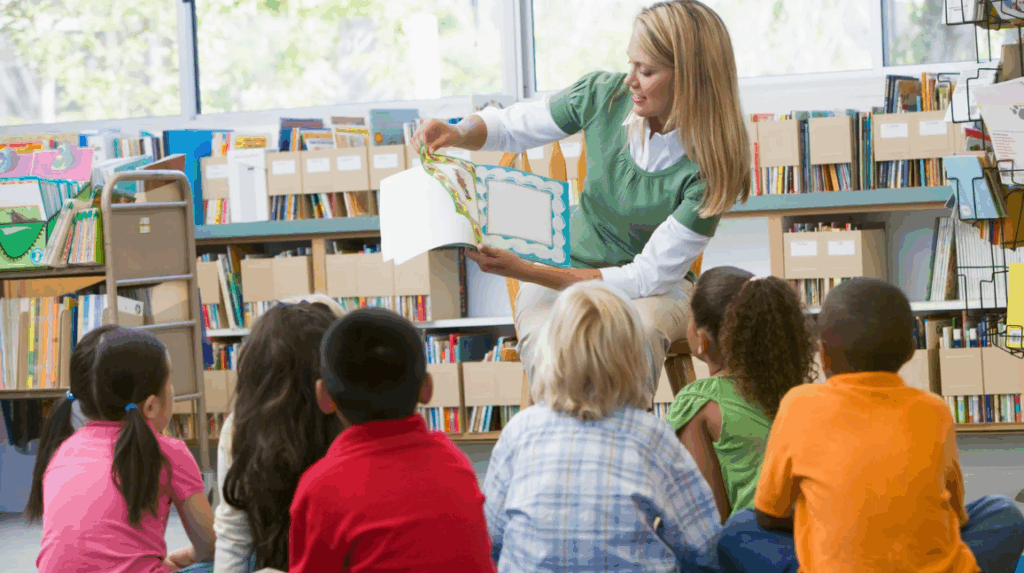
For many families, kindergarten represents a major milestone—not just for children, but for parents too. It’s the moment when early childhood learning takes a more structured form, social circles expand, and expectations begin to grow. While academic skills matter, true kindergarten readiness goes far beyond knowing letters or counting to ten.
At its core, kindergarten readiness is about confidence, curiosity, independence, and emotional resilience. It’s about helping children feel safe, capable, and excited to learn in a new environment. When children are prepared in these ways, the transition to kindergarten becomes less stressful and far more empowering.
This guide explores what kindergarten readiness really means, why it matters, and how parents and educators can support children in developing the skills they need for a successful and positive start.
What Does “Kindergarten Readiness” Really Mean?
Kindergarten readiness is often misunderstood as a checklist of academic abilities. While early literacy and numeracy are important, readiness is actually a whole-child concept that includes several interconnected areas of development.
A kindergarten-ready child is not expected to be perfect or advanced. Instead, they are supported in developing the foundational skills that allow them to learn, adapt, and grow within a classroom setting.
Key Areas of Kindergarten Readiness
Think of readiness as a toolkit. Your child doesn’t need to “master” everything before day one, but having a solid foundation in the areas below makes kindergarten feel exciting instead of overwhelming.
1. Social and Emotional Readiness
Social and emotional readiness is the heart of kindergarten success. Children are entering a group setting with new adults, new rules, and many peers.
Look for signs like:
- Can separate from you with reassurance and a predictable goodbye routine, even if there are a few tears at first.
- Can share, take turns with toys, and wait for a short turn in games or activities.
- Shows basic self-control, like keeping hands to themselves and using words instead of hitting or biting.
- Can follow simple classroom rules such as “walking feet inside,” “listening ears,” and “indoor voice.”
- Begins to manage feelings by naming them or asking for help, even if they still need support to calm down.
You don’t need a perfectly patient child; that’s not realistic. The goal is a child who is learning to manage big feelings, is open to guidance from adults, and can participate in a group without constant one-on-one intervention.
2. Language and Communication Skills
Kindergarten is filled with talking, listening, and following instructions. A child who can express needs and understand basic directions will feel more confident and safe.
Helpful indicators:
- Speaks in sentences and can hold a simple back-and-forth conversation.
- Can answer questions like “What did you do today?” or “What do you want for a snack?”
- Understands and follows two- or three-step directions such as “Hang up your bag, then sit on the carpet.”
- Can ask for help (“I need the bathroom,” “I don’t understand,” “I need a break”) using words.
Perfect grammar or clear pronunciation of every sound is not required. What matters is that familiar adults and most peers can understand your child most of the time, and that your child can understand what teachers are saying.
3. Early Thinking and Cognitive Skills
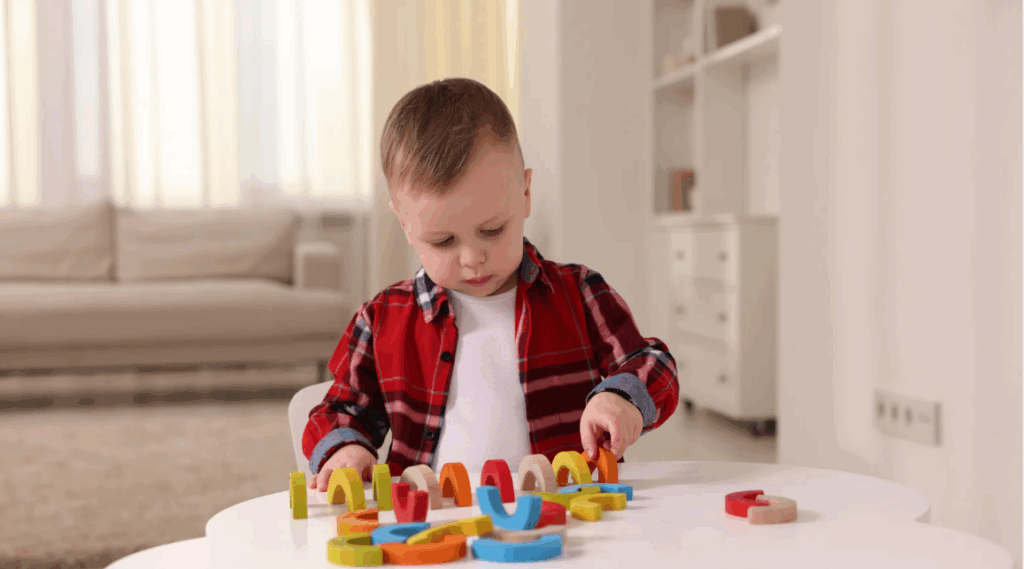
Kindergarten teachers expect a wide range of abilities. Some children arrive already reading; others are just beginning to recognize letters. Both can be completely fine. Focus on exposing your child to ideas, not drilling them.
Useful early thinking skills include:
- Recognizing their own name in print and perhaps some letters of the alphabet.
- Showing interest in books and stories; can sit and listen for a few minutes.
- Understanding basic concepts such as same/different, big/small, more/less.
- Counting at least a few objects and recognizing some numbers.
- Showing curiosity: asking questions, exploring how things work, and noticing patterns.
The goal is to build curiosity and comfort around pre-academic tasks, not perfection. Curiosity and persistence are powerful predictors of long-term success.
4. Fine and Gross Motor Skills
Children don’t need perfect pencil grip or Olympic-level coordination. They do benefit, however, from basic physical skills that make classroom life smoother.
Fine motor readiness:
- Can hold a crayon or marker and make intentional marks (lines, circles, attempts at shapes or letters).
- Tries to cut along simple lines with child-safe scissors (even if not perfectly).
- Can put together basic puzzles or manipulate small objects like blocks or beads.
Gross motor readiness:
- Can walk, run, jump, and climb with reasonable coordination.
- Can sit on the carpet for short group times and move safely in line with others.
These skills develop gradually, and playful practice is more important than formal exercises.
5. Self-Help and Independence
Kindergarten routines assume that children can manage small tasks by themselves, especially in classrooms with many students.
Helpful independence skills include:
- Using the bathroom with minimal help and washing hands afterwards.
- Putting on and taking off simple clothing items like a jacket or backpack.
- Cleaning up after activities when reminded (putting toys away, throwing away trash).
- Opening lunch containers or snack packages with little or no assistance, when possible.
Again, perfection is not required. Teachers expect to help. The aim is for a child who is used to trying to do things on their own first and is comfortable asking for help when needed.
Common Myths About Kindergarten Readiness

Because expectations have shifted over time, many families feel unsure about what’s actually required. Let’s clear up some common myths.
Myth 1: “My child must already read.”
Kindergarten is designed to teach early reading skills. Many children enter without being able to read yet, and that is completely normal. What helps most is:
- A love of books and being read to.
- Some familiarity with letters and sounds.
- The ability to focus on a story for a short time.
If your child is not reading yet but enjoys stories and shows interest in letters, that is a strong start.
Myth 2: “Readiness is all about academics.”
Social-emotional skills are often more important in the early months than academics. A child who can:
- Follow routines,
- Work and play with peers,
- Handle small frustrations,
is usually better positioned to learn than a child who knows advanced content but struggles behaviorally or emotionally.
Myth 3: “If my child is shy, they’re not ready.”
Shyness and readiness are not the same thing. A shy child can be very ready for kindergarten if they:
- Warm up to teachers over time,
- Can follow directions,
- Participate in small ways (e.g., nodding, pointing, whispering answers).
The key is not whether your child is outgoing, but whether they are able to function in a group and gradually build comfort.
How Parents Can Support Kindergarten Readiness at Home
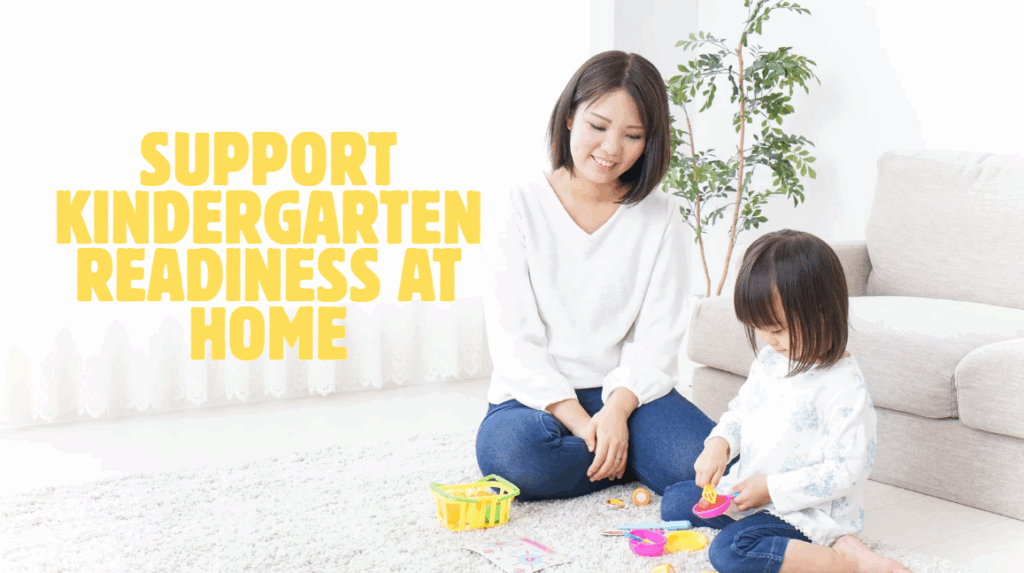
You don’t need expensive materials or rigid lesson plans. Everyday life offers countless opportunities to build skills in relaxed, enjoyable ways.
1. Build Social and Emotional Skills Through Daily Moments
- Name feelings: Use simple language like “You’re feeling frustrated because the block tower fell” or “You’re proud that you put on your shoes by yourself.” This helps children recognize and talk about emotions.
- Practice taking turns: Use board games, simple card games, or even taking turns with a favorite toy. Emphasize waiting, cheering others on, and handling winning or losing.
- Use role-play: Act out “school day” with stuffed animals or dolls—lining up, raising hands, taking turns to talk—to make routines feel familiar and less intimidating.
2. Strengthen Listening and Communication
- Give two-step directions: “Please put your toy in the bin and then come to the table.” Gradually increase complexity as your child succeeds.
- Have real conversations: Ask open-ended questions like “What was your favorite part of today?” or “How did you solve that problem?” and really listen.
- Tell and retell stories: Encourage your child to recount a movie, a trip, or a family event. This builds narrative skills and memory, both important for school.
3. Encourage Early Literacy the Fun Way
- Read together daily: Even 10–15 minutes a day makes a difference. Point to pictures, ask what they see, and predict what might happen next.
- Play with letters: Use magnetic letters on the fridge, letter puzzles, or sidewalk chalk to write their name and a few favorite letters.
- Notice print everywhere: Point out street signs, labels on packages, and names on mail. Show that print has meaning in everyday life.
4. Grow Early Math and Thinking Skills
- Count objects: Count toys as you put them away, steps as you walk, or fruit as you put it in a basket.
- Compare and classify: Talk about which groups have more or fewer, which objects are bigger, smaller, heavier, or lighter.
- Incorporate patterns: Use blocks, beads, or snacks to create simple patterns (red-blue-red-blue) and ask your child what comes next.
5. Boost Motor Skills Through Play
Fine motor play:
- Offer crayons, markers, and paper for drawing freely.
- Use playdough to roll, pinch, and shape—this strengthens little hand muscles.
- Introduce simple crafts that involve squeezing glue, peeling stickers, or stringing beads.
Gross motor play:
- Encourage running, jumping, climbing (safely), and playing outside.
- Practice tossing and catching soft balls or balancing along a safe, low “balance beam” like a line on the floor.
Physical play supports brain development, coordination, and the ability to sit and focus later.
6. Foster Independence with Small Responsibilities
- Let your child help: Ask them to set the table with napkins, put dirty clothes in the hamper, or feed a pet.
- Practice school-like routines:
- Packing a backpack together.
- Putting shoes near the door.
- Choosing clothes the night before.
- Encourage problem-solving: Instead of jumping in immediately, ask “What could you try?” and support them as they attempt tasks on their own.
Emotional Preparation for the Big Transition

Kindergarten is a big step for children and adults alike. Emotional preparation can make that first week much easier.
Talk About What to Expect
Children feel more secure when they can picture what will happen.
- Describe a typical day in simple terms: “You’ll hang your backpack, sit on the carpet, do activities, have snack, play outside, then I’ll pick you up.”
- Read books about starting school: Stories about other children’s first-day experiences help normalize nervous feelings.
- Visit the school if possible: Attend open houses, meet-the-teacher events, or playground visits to make the environment feel familiar.
Acknowledge Feelings—Yours and Theirs
- Validate their emotions: “It’s okay to feel nervous. New things can feel a little scary at first.”
- Share your confidence: Let them know you trust their teacher and believe your child can handle this new adventure.
- Manage your own anxiety: Children pick up on adult stress. Create a calm, consistent morning and goodbye routine to send the message, “You’re safe, and I’ll see you later.”
Working Together With Teachers
Kindergarten is most successful when families and teachers see themselves as partners rather than separate worlds.
Share Helpful Information
Before or during the first weeks, let the teacher know:
- Any allergies or health concerns.
- Any fears or sensitivities (loud noises, separation, certain textures).
- Strategies that help your child calm down or re-engage.
This allows the teacher to respond more quickly and thoughtfully when challenges arise.
Stay Involved Without Overloading
- Read communication from school: Notes, newsletters, or digital updates often describe what the class is working on and how you can support it at home.
- Ask specific questions: Instead of “How is my child doing?” try “How is my child handling transitions?” or “How do they do at group time?”
- Celebrate small wins: When teachers share progress, acknowledge it with your child so they can feel proud and motivated.
Signs Your Child May Need Extra Support (And What to Do)

All children grow at different rates, and it’s very common for some to need extra help in one or more areas. The goal is not to label a child as “behind,” but to notice where they struggle and respond early.
Potential signs to watch:
- Extremely intense separation anxiety that doesn’t ease after several weeks with support.
- Frequent aggressive behavior toward peers or adults (hitting, biting, kicking) that doesn’t improve with consistent guidance.
- Very limited language, difficulty communicating needs, or not being understood most of the time.
- Persistent trouble following even simple directions or participating in group activities.
If you notice these patterns:
- Talk with the teacher: Ask what they’re seeing in class and what strategies they’ve tried.
- Consult your pediatrician: Share specific examples and ask whether developmental screening or specialist referral might help.
- Seek early intervention if recommended: Early support services can address speech, motor, or social-emotional challenges before they become bigger barriers.
Asking for help is a strength, not a failure. Many children make incredible progress with the right support at the right time.
A Practical Kindergarten Readiness Checklist
Use this as a flexible guide, not a pass/fail test. Your child does not need to check every box to be ready. Instead, look at patterns and decide where you might want to focus more support.
By the start of kindergarten, many children:
Social/Emotional
- Can separate from caregivers with a predictable goodbye routine.
- Can share, take turns, and play alongside or with other children.
- Can follow basic classroom rules with reminders.
- Are beginning to manage frustration with adult support.
Communication
- Speak in sentences and can be understood by familiar adults.
- Can listen to a short story and answer simple questions.
- Follow two-step directions most of the time.
- Ask for help or say when something is wrong.
Early Learning
- Show interest in books, stories, and being read to.
- Recognize their name in print and maybe some letters.
- Can count a small set of objects and recognize a few numbers.
- Enjoy exploring, asking questions, and solving simple problems.
Motor and Independence
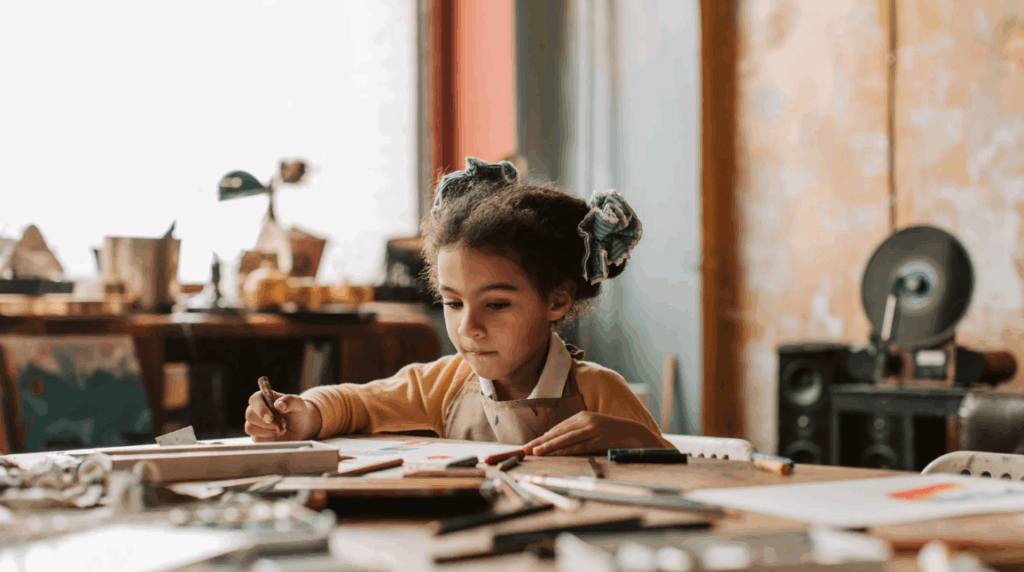
- Can hold a crayon or marker and attempt simple drawings or letters.
- Try to use child-safe scissors along a line.
- Use the bathroom with minimal assistance and wash hands.
- Can put on a backpack, and often a jacket, with some independence.
If your child does many of these things, they are likely more ready than you think. If there are several areas that feel concerning, that’s a signal to talk with professionals, not a reason to panic.
Encouragement for Parents and Caregivers
Kindergarten readiness is not about perfection but about nurturing the whole child so they can handle new routines, relationships, and learning experiences with growing confidence. When families focus on emotional health, social skills, early literacy, basic math, independence, and open communication with teachers, children feel more secure. With time, patience, and everyday practice, your child can step into kindergarten feeling capable, curious, and excited for this important new chapter.
If you are looking for a warm, play-based environment to support your child’s transition into kindergarten, Creative Children Center LLC is ready to partner with your family. Our nurturing teachers focus on the whole child—mind, heart, and imagination—while building key skills for school success through joyful, purposeful experiences. Schedule a visit or speak with our team today to see how we can help your child start kindergarten with confidence and a genuine love of learning.