

Parents often spend a lot of time thinking about what their children eat throughout the day, especially when little ones spend several hours in daycare or preschool settings. Healthy meals and snacks are more than just a daily routine—they support physical growth, energy levels, concentration, emotional well-being, and long-term eating habits. This is why thoughtfully planned childcare menus play such an important role in early childhood environments. Behind every balanced breakfast, snack, and lunch is a careful process designed to meet nutritional needs while still appealing to young taste buds.
Designing meals for children is not as simple as serving smaller portions of adult food. Young children need the right combination of nutrients to support rapid development during some of the most important years of life. Providers must consider age-appropriate nutrition, food safety, allergies, meal timing, variety, and even how foods are presented. Well-designed childcare menus are built to encourage healthy eating habits while ensuring children receive the fuel they need to learn, play, and grow confidently.
Why Balanced Nutrition Matters in Early Childhood
The early years are a critical stage for development. Children’s brains and bodies grow quickly, which means nutrition has a direct effect on learning, behavior, and physical health. A balanced menu helps children maintain steady energy levels throughout the day while supporting healthy growth.
When meals lack important nutrients, children may experience:
- Difficulty concentrating
- Mood swings or irritability
- Low energy levels
- Weakened immune systems
- Delayed growth and development
On the other hand, balanced meals can help children:
- Build strong bones and muscles
- Improve focus and learning abilities
- Develop healthy eating habits early
- Maintain healthy energy levels
- Support emotional and social development
Because children often eat multiple meals and snacks during childcare hours, providers have a major opportunity to contribute positively to their daily nutrition.
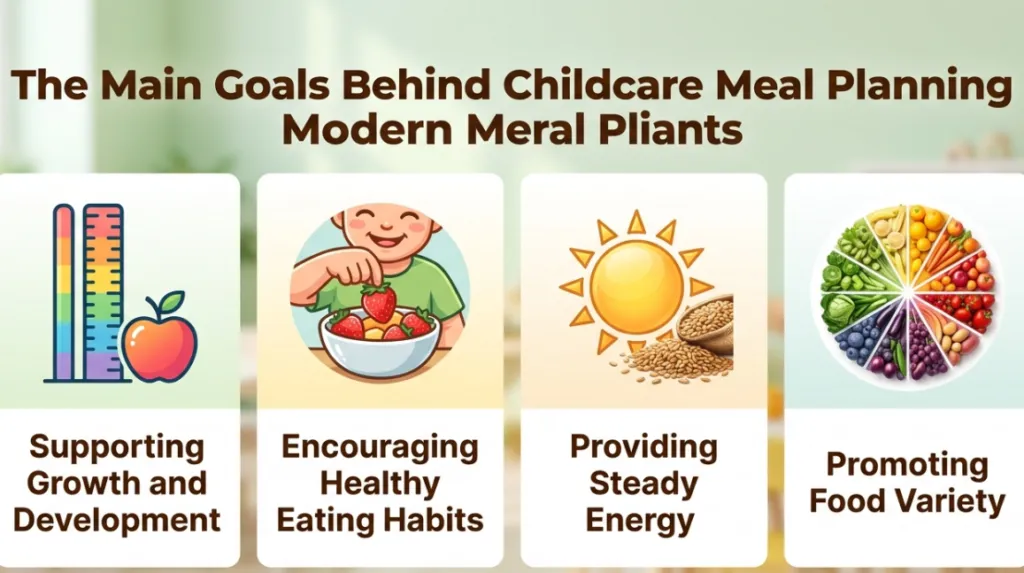
The Main Goals Behind Childcare Meal Planning
Nutrition planning for children involves much more than simply filling plates with healthy foods. Providers and nutrition planners work toward several important goals when creating childcare menus.
1. Supporting Growth and Development
Children require a wide variety of vitamins, minerals, healthy fats, carbohydrates, and proteins to support development. Balanced menus are designed to include foods that nourish growing bodies and developing brains.
2. Encouraging Healthy Eating Habits
Early exposure to nutritious foods helps children become more comfortable trying new flavors and textures. When healthy meals are offered consistently, children are more likely to develop positive lifelong eating habits.
3. Providing Steady Energy
Young children are active throughout the day. Nutritious meals help stabilize blood sugar levels and provide energy for learning, playtime, outdoor activities, and social interaction.
4. Promoting Food Variety
A strong menu includes different food groups, colors, textures, and flavors. This variety helps children receive balanced nutrition while preventing meals from becoming repetitive.
Key Nutrients Included in Balanced Childcare Menus
Well-rounded meal planning focuses on including nutrients that support every area of childhood development.
Protein
Protein helps build muscles, repair tissues, and support growth. Childcare meals often include:
- Chicken
- Eggs
- Beans
- Yogurt
- Cheese
- Fish
- Lean meats
Healthy Carbohydrates
Carbohydrates provide energy for active children. Providers typically choose healthier options such as:
- Whole grains
- Brown rice
- Oatmeal
- Whole wheat bread
- Fruits
- Vegetables
Healthy Fats
Healthy fats support brain development and overall health. Nutritious sources may include:
- Avocados
- Nut butters when allergy-safe
- Seeds
- Dairy products
- Olive oil
Vitamins and Minerals
Fruits and vegetables provide important nutrients like vitamin C, calcium, iron, and potassium. Colorful produce is often included to create balanced and visually appealing meals.
How Age Groups Affect Menu Design
Children have different nutritional and developmental needs depending on their age. This means childcare menus are often adjusted for each stage of childhood.
Toddlers
Toddlers are still developing chewing skills and may be picky eaters. Meals for this age group are typically:
- Soft and easy to chew
- Cut into small pieces
- Served in smaller portions
- Balanced with familiar and new foods
Toddlers also benefit from predictable meal routines and repeated exposure to healthy foods.
Preschoolers
Preschool-age children can handle a wider variety of foods and textures. Meals often include more independent eating opportunities while encouraging balanced nutrition.
This age group may also begin learning about:
- Healthy food choices
- Portion awareness
- Trying new foods
- Mealtime manners
School-Age Children
Older children usually need larger portions and more calories due to increased activity and growth. Menus for school-age groups may include heartier meals while still maintaining nutritional balance.
The Importance of Food Group Balance
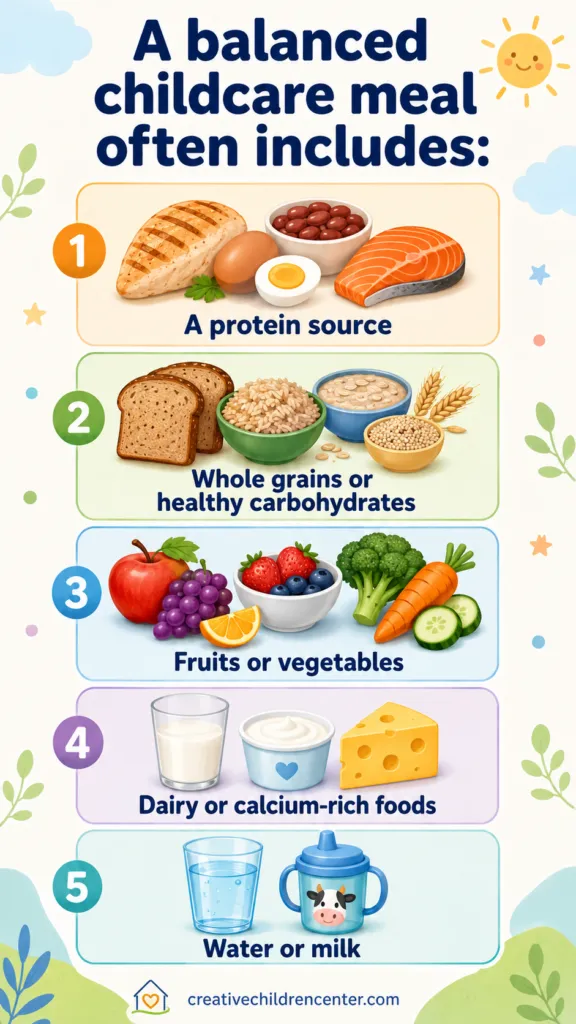
One of the biggest priorities in meal planning is ensuring meals contain a healthy balance of food groups. This helps children receive a broad range of nutrients throughout the day.
A balanced childcare meal often includes:
- A protein source
- Whole grains or healthy carbohydrates
- Fruits or vegetables
- Dairy or calcium-rich foods
- Water or milk
For example, a balanced lunch might include grilled chicken, brown rice, steamed vegetables, fresh fruit, and milk.
Snack planning is also important. Healthy snacks help maintain energy levels between meals without relying heavily on sugary or processed foods.
Why Variety Is Essential in Childcare Meals
Children can quickly lose interest in repetitive meals. Variety keeps mealtime enjoyable while exposing children to different nutrients and flavors.
Balanced childcare menus often rotate foods weekly or monthly to avoid repetition. Providers may vary:
- Protein sources
- Fruits and vegetables
- Whole grains
- Cooking styles
- Cultural dishes
Introducing children to diverse foods at an early age can also help reduce picky eating behaviors over time.
How Portion Sizes Are Carefully Planned
Serving children appropriate portions is another important part of nutrition balance. Portions that are too large may overwhelm children, while portions that are too small may not provide enough nourishment.
Meal planners consider:
- Age
- Activity levels
- Developmental stage
- Appetite patterns
- Nutritional guidelines
Children are usually encouraged to listen to their hunger and fullness cues rather than being forced to finish meals.
Managing Allergies and Dietary Restrictions
Modern childcare settings often serve children with food allergies, intolerances, or special dietary needs. In childcare menus, planning must account for these concerns while still providing balanced nutrition. Common accommodations may include:
- Dairy-free alternatives
- Nut-free meals
- Gluten-sensitive options
- Vegetarian meals
- Reduced sugar choices
Providers also focus heavily on preventing cross-contamination and maintaining food safety practices.
Clear communication with parents is essential when managing dietary restrictions. Families often provide guidance regarding allergies, sensitivities, and medical dietary needs.
The Role of Hydration in Nutrition Balance
Hydration is an important but sometimes overlooked part of children’s nutrition. Active children can become dehydrated quickly, especially during warm weather or outdoor play.
Many childcare programs encourage hydration by:
- Offering water throughout the day
- Serving milk during meals
- Limiting sugary drinks
- Teaching healthy hydration habits
Proper hydration supports:
- Brain function
- Energy levels
- Digestion
- Temperature regulation
- Physical activity
Creating Meals That Children Will Actually Eat
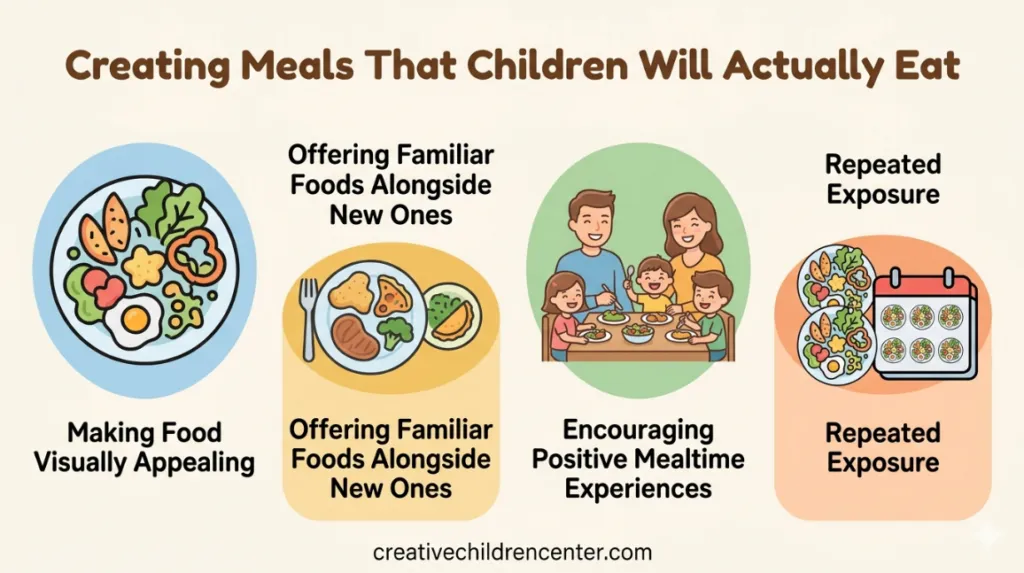
Even the healthiest meal is ineffective if children refuse to eat it. One challenge in childcare menus is balancing nutrition with foods children genuinely enjoy. Providers often use several strategies to encourage healthy eating.
1. Making Food Visually Appealing
Bright fruits, colorful vegetables, and fun presentations can make healthy foods more inviting.
2. Offering Familiar Foods Alongside New Ones
Children are often more willing to try something new when it is paired with foods they already enjoy.
3. Encouraging Positive Mealtime Experiences
Pressure-free meals and encouraging environments help children develop healthier relationships with food.
4. Repeated Exposure
Children may need to see a new food many times before deciding to try it. Consistent exposure can improve acceptance over time.
Seasonal Foods and Fresh Ingredients
Many meal planners prefer incorporating seasonal produce because it is often fresher, more flavorful, and nutrient-rich.
Seasonal ingredients may include:
- Berries in summer
- Apples in fall
- Leafy greens in spring
- Root vegetables in winter
Using fresh ingredients can improve both the nutritional quality and taste of meals.
The Connection Between Nutrition and Learning
Nutrition directly affects a child’s ability to focus, participate, and learn. Meals that are high in sugar or lacking in nutrients may lead to energy crashes, irritability, or difficulty concentrating.
Balanced meals help support:
- Attention span
- Memory
- Emotional regulation
- Classroom participation
- Physical coordination
Children who eat balanced meals regularly are often better prepared to engage in educational and social activities throughout the day.
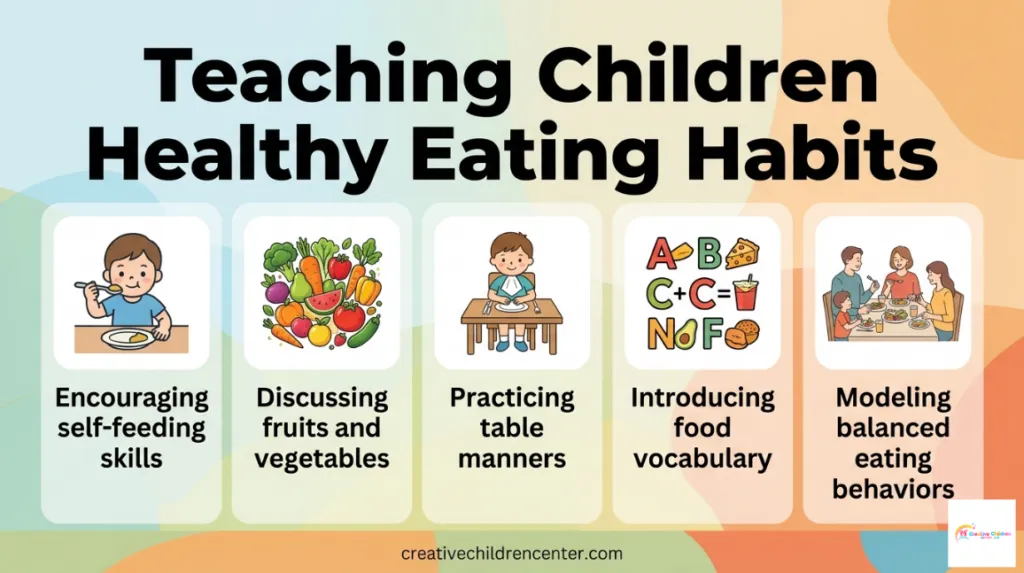
Teaching Children Healthy Eating Habits
Mealtime in childcare settings can also serve as an educational opportunity. Children learn a great deal by observing caregivers and peers during meals.
Providers may teach healthy habits by:
- Encouraging self-feeding skills
- Discussing fruits and vegetables
- Practicing table manners
- Introducing food vocabulary
- Modeling balanced eating behaviors
These experiences can help children build confidence around food choices while developing independence.
Why Parents Should Pay Attention to Childcare Menus
Parents benefit from reviewing meal plans and understanding how nutrition is approached in childcare settings. A thoughtfully designed menu can provide reassurance that children are receiving balanced meals during the day.
When reviewing childcare menus, parents may want to look for:
- Variety in food choices
- Fresh fruits and vegetables
- Whole grains
- Balanced snacks
- Limited processed foods
- Allergy accommodations
- Age-appropriate portions
Open communication between families and childcare providers helps create consistency between meals served at home and meals served during childcare hours.
Common Challenges in Designing Balanced Menus
Creating nutritious meals for groups of children comes with unique challenges.
Some of the most common include:
- Picky eating habits
- Food allergies
- Budget limitations
- Cultural food preferences
- Balancing nutrition with taste
- Meeting nutritional guidelines
Despite these challenges, experienced childcare providers continue adapting menus to support healthy growth and positive mealtime experiences.
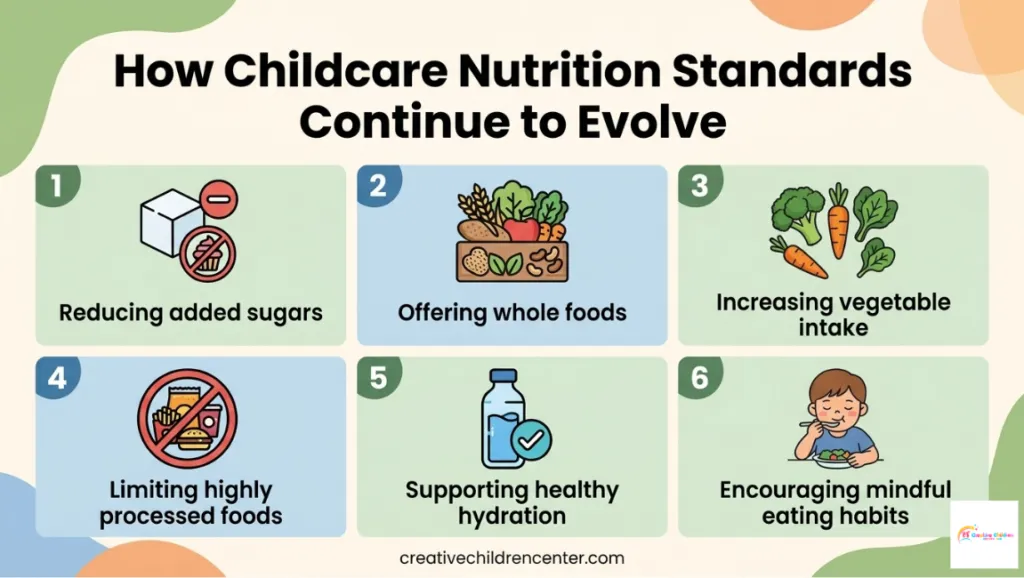
How Childcare Nutrition Standards Continue to Evolve
Nutrition recommendations change as research continues to improve understanding of childhood development and health.
Today, many childcare providers focus more heavily on:
- Reducing added sugars
- Offering whole foods
- Increasing vegetable intake
- Limiting highly processed foods
- Supporting healthy hydration
- Encouraging mindful eating habits
Families are also becoming more informed about nutrition, leading to greater expectations for balanced meals in childcare settings.
Discover How Balanced Meals Support Growing Minds and Bodies
Healthy eating habits formed during childhood can influence lifelong wellness, learning, and confidence. Carefully designed childcare menus help create a positive relationship with food while supporting children’s physical, emotional, and cognitive development every day. From balanced nutrients to age-appropriate portions and colorful variety, thoughtful meal planning plays an important role in helping children thrive.
Families searching for nurturing environments that value children’s overall well-being often look closely at how meals and nutrition are approached during the day. If you are exploring quality childcare options for your little one, now is the perfect time to Learn About Our Toddler Program and discover how supportive early childhood experiences can help children grow, learn, and succeed with confidence.